Supplement ad creative: angles, compliance, and what gets rejected
The interesting thing about a supplement is usually the thing you are not allowed to say. Five angles that persuade without making an outcome claim, what triggers a rejection, and the rules we checked at their own source on the day we wrote this.
What is in here
- Why do supplement ads get rejected?
- The claim problem, stated plainly
- Five angles that work inside the constraint
- Why is before-and-after imagery a rejection magnet?
- A personal experience and an implied outcome are different objects
- What if the compliant version of your ad is boring?
- Where the rules differ, and what we cannot tell you
Meta's health standard bans promises of a specific outcome in a stated timeframe. Google's bans implying a product treats a disease. That is most of what a supplement founder wants in a headline, so the ad has to persuade without asserting one. Five registers do that reliably: the ritual, the identity, the honest limitation, the everyday sensory moment, and giving the credit to the person rather than the product. What gets an ad rejected is rarely the ingredient. It is the sentence, and usually the second-person one.
- What the platform policies actually say, quoted and dated, rather than repeated from a forum thread
- Five angles that persuade inside the constraint, with a worked example of each
- Why before-and-after imagery is a rejection magnet even where it is not banned outright
- The line between a personal experience and an implied outcome, which is where most rejections live
- What to do when the compliant version of your ad is boring, which is a creative problem and not a legal one
The sentence a brand wants, and the one that survives review
The same idea, twice| Dimension | What the brand wants to say | What we would run |
|---|---|---|
| Sleep | No. Fall asleep in 20 minutes, guaranteed | The thing I do after the last message of the day |
| Stress | No. Stressed? This fixes it | Not an emergency. Just part of the good bit of the evening |
| Format | No. Absorbs better than capsules | Thirty in a pouch. One a night. Nothing to swallow |
| Evidence | No. Clinically proven, 9 out of 10 users | Here is exactly what is in it, and what we do not know yet |
| The user | No. You are exhausted and you know it | This is what she keeps in the drawer by the bed |
| The competition | No. Replaces your whole supplement shelf | One of several things she does. The rest is hers |
01Why do supplement ads get rejected?
In the accounts we have worked on, almost always for the copy rather than the product, and almost always for one of three moves: asserting something about the viewer, promising a specific outcome in a stated timeframe, or implying the product treats a condition. The ingredient list is rarely the problem. The second-person sentence over it usually is.
What the rulebooks actually say, quoted and dated
Switch between themAdvertising Standards: Health and Wellness
The standard that most supplement brands assume is the only one that applies to them. It is not, but it is the one that catches weight and body creative.
- Ads must not contain "statements of inferiority about physical appearance"
- Ads must not use "clickbait tactics in a health, weight loss, or weight gain context, such as sensational language with exaggerated or extreme claims, or promises of specific outcomes within a set timeframe without disclaimers"
- A "close up on specific body area by pinching fat" is named directly
- Claims to "cure, heal, or eliminate" a list of incurable diseases are prohibited, including claims attributed to health professionals
- Dietary, health, weight loss and weight gain ads must be targeted to people 18 or over
Advertising Standards: Privacy Violations and Personal Attributes
The standard that catches more supplement creative than the health one, and the one nobody expects, because it is not a health policy at all. It is about what your ad asserts about the person reading it.
- Ads "must not contain content that asserts or implies personal attributes"
- The list of attributes includes "physical or mental health (including medical conditions)"
- Its own example of a line that is not allowed: "Do you have diabetes?"
- Its own example of a line that is allowed: "New diabetes treatment available"
- The difference is not the topic. It is whether the sentence is about the reader
Healthcare and medicines advertising policy
Google restricts a category that covers most of what a supplement founder wants in a headline, and separately prohibits certain products outright regardless of how they are described.
- Restricted: "non-government approved products that are marketed in a way that implies that they're safe or effective for use in preventing, curing, or treating a particular disease or ailment"
- Prohibited: "herbal and dietary supplements with active pharmaceutical or dangerous ingredients"
- Products must not imply they are "as effective as prescription drugs or controlled substances"
- The policy carries a non-exhaustive list of unapproved supplements, which is worth reading against your own formula
CAP Code, Section 12
In the UK the ASA enforces the CAP Code, and section 12 covers medicines, medical devices, health-related products and beauty products. It applies to your ad regardless of which platform runs it.
- Rule 12.1: "Objective claims must be backed by evidence, if relevant consisting of trials conducted on people"
- Rule 12.9: hold proof before suggesting a product is "guaranteed to work, absolutely safe or without side-effects"
- Rule 12.20: an unlicensed product "must not make a medicinal or therapeutic claim or refer to an ailment unless authorised by the MHRA to do so"
- Rule 12.6 covers falsely claiming a product can prevent or treat disease
Regulation (EC) No 1924/2006
The EU runs a list-based system, which is stricter than most brands expect on their first expansion. A claim is not judged on whether it is true. It is judged on whether it is on the list.
- Article 10(1)
- "Health claims shall be prohibited unless they comply with the general requirements in Chapter II and the specific requirements in this Chapter and are authorised in accordance with this Regulation and included in the lists of authorised claims provided for in Articles 13 and 14"
- In practice
- Check the regulation's own list of approved claims for your ingredient before you write the line, not after the ad is built
Read those side by side and one thing stands out. The rule that catches the most supplement creative is not a health rule. Meta's personal attributes standard is about what your ad says about the person reading it, and a headline built exactly like the one it names as an example is the default opening in this category.
Address what they are doing. Never what they are.
the rule we hand every copywriter on a claim-constrained brand
That distinction is the single most useful thing in this whole area, and it is a craft rule as much as a policy one. The moment your headline tells a stranger something about their own body, you have made a claim about a person you have never met. Rewrite it to describe the product, the moment or somebody else, and the same idea usually survives intact.
02The claim problem, stated plainly
Every rulebook in that panel attaches to the same object: an assertion that something will happen to a body. None of them attaches to a moment, an object, a gesture or a person's own account of their own week. That is the whole opening, and it is wider than it looks. A brand that accepts the constraint early gets to spend its effort on the parts of an ad that were always doing the work.
Four things supplement founders tell us
Flip them03Five angles that work inside the constraint
These come out of our own house wellness-patch brand, Ephoria, where every one of these constraints applies to us as an advertiser rather than to a client. We arrived at them by elimination: once outcome claims are closed off, this is what is left, and it turns out to be more interesting than what we started with. Which registers survive a synthetic performer is a separate question, covered in what kinds of products AI UGC actually works for.
The five registers, with a frame for each
Scroll through them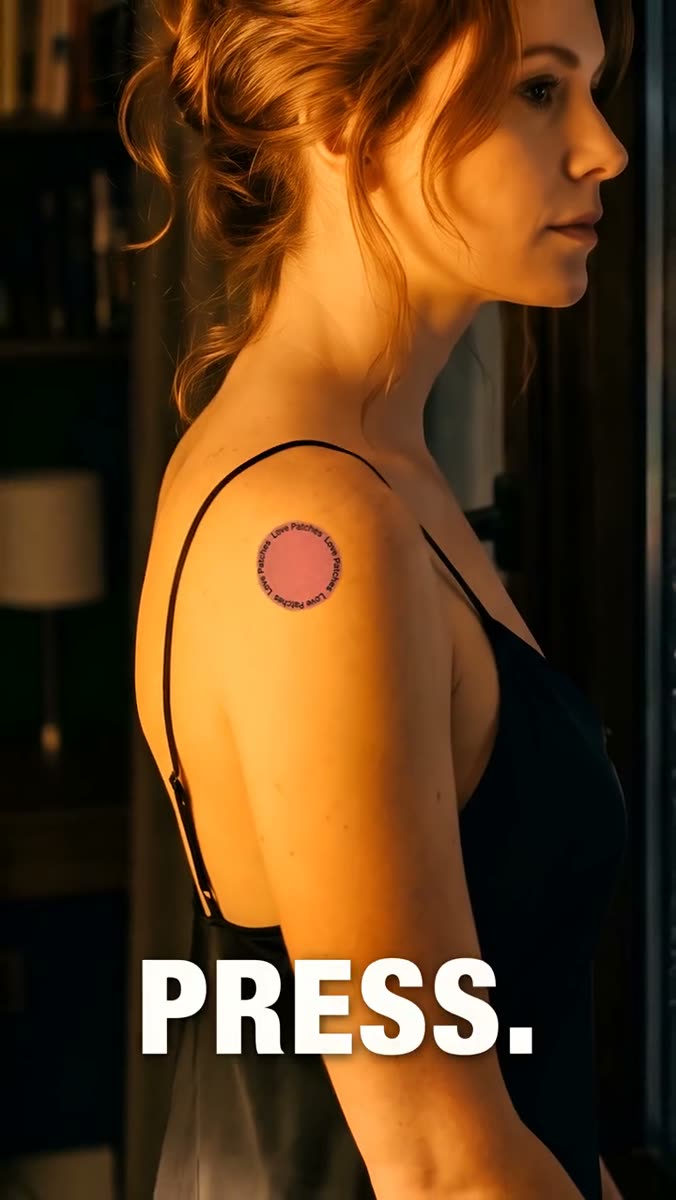


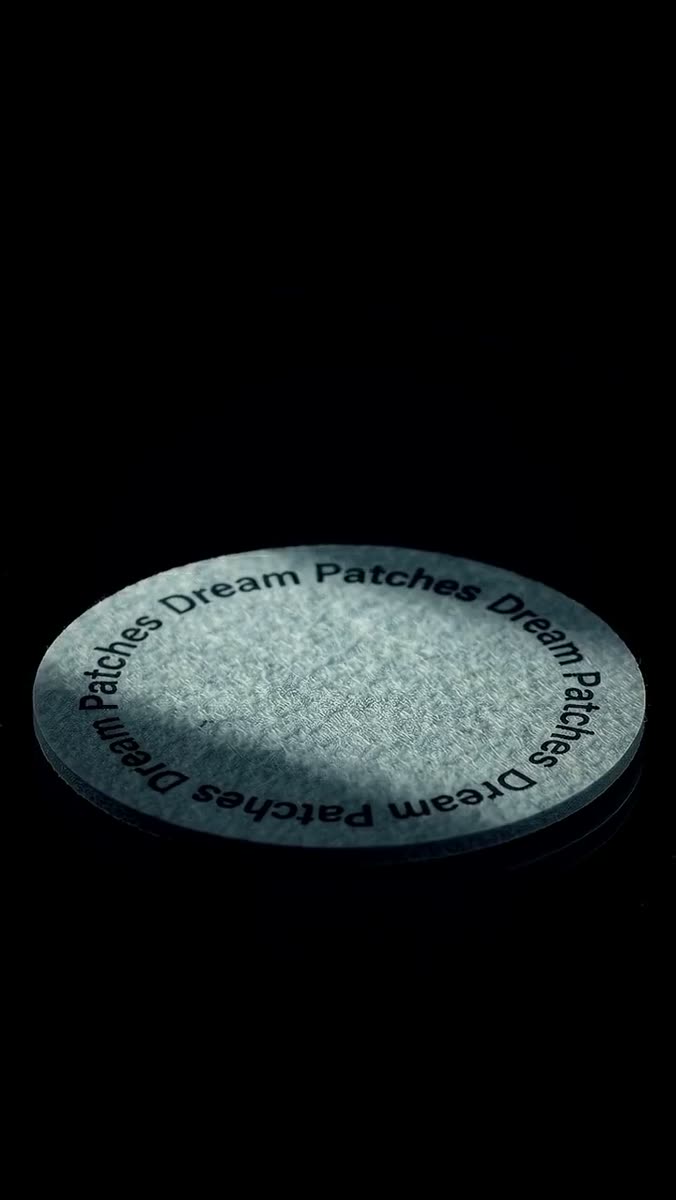
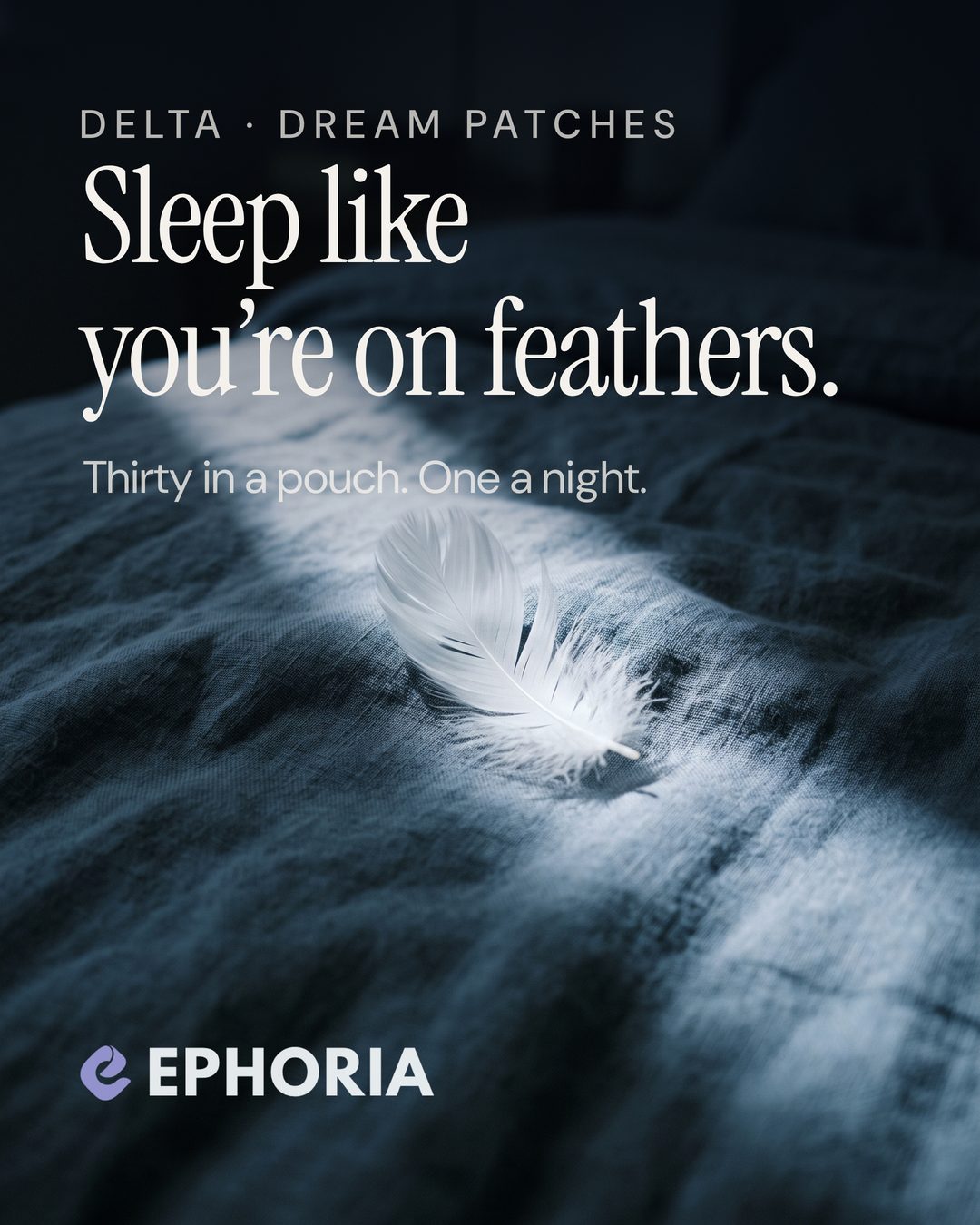
Ritual: pin it to a cue that already exists
The most repeated mechanism in the whole category, and the cheapest to execute. You are not promising a result, you are attaching a gesture to a moment already in the viewer's day. The strongest line we have found in sixty-four competitor scripts is not about a benefit at all. It is the thing I do when the plates go in the sink, because plates in a sink is a domestic cue no copywriter would reach for and every viewer already owns.
Identity: stop promising and start identifying
Not this will do X to you, but this is what somebody like you keeps in her bag. The instrument we use is a four-column grid per product: the moment worth photographing, what she says to herself at two in the morning, the fear that has kept her from buying, and the identification line. Only the last column is ever printed. The pain column exists to tell the camera where to point, and it never reaches the screen.
The everyday sensory moment
The most corroborated safe seam we have. Smell, warmth, texture, the effort a thing saves, the sensation of applying it. Seven independent sources in our own research files land on the same finding, and it is the register that generalizes best across categories, because a sensation is a description rather than a promise. It is also the one most brands skip, because it feels too small next to the benefit they wish they could print.
The honest limitation: persuasion by refusal
Volunteering what a product will not do buys credibility for everything else in the ad. Name the absence, lower the expectation, and let the refusal be the load-bearing line. It works for a reason that has nothing to do with compliance: a brand that tells you one true negative thing has just made every positive thing it says more expensive to disbelieve. It also happens to be the safest sentence in the category.
Credit given away
There is a ladder of positions a product can occupy in a person's story, and the credible end is the modest end. Credit given to the user, then one of several things with a stated dependency, then one of several, then additive, then a simplification, then a single step, and at the bottom, replacement, which is unusable. Every rung you climb toward replacement buys a little persuasion and costs a lot of belief. Most category ads live on the bottom rung.
There is a sixth move worth its own line, because it is the one that produces the most distinctive work: refuse the category's own frame. A period product built as not an emergency, with no relief, no wincing and no before-and-after. A stress product handled like a garnish on a good evening rather than a remedy for a bad one. You cannot claim an outcome, so decline to accept that there is a problem in the first place.
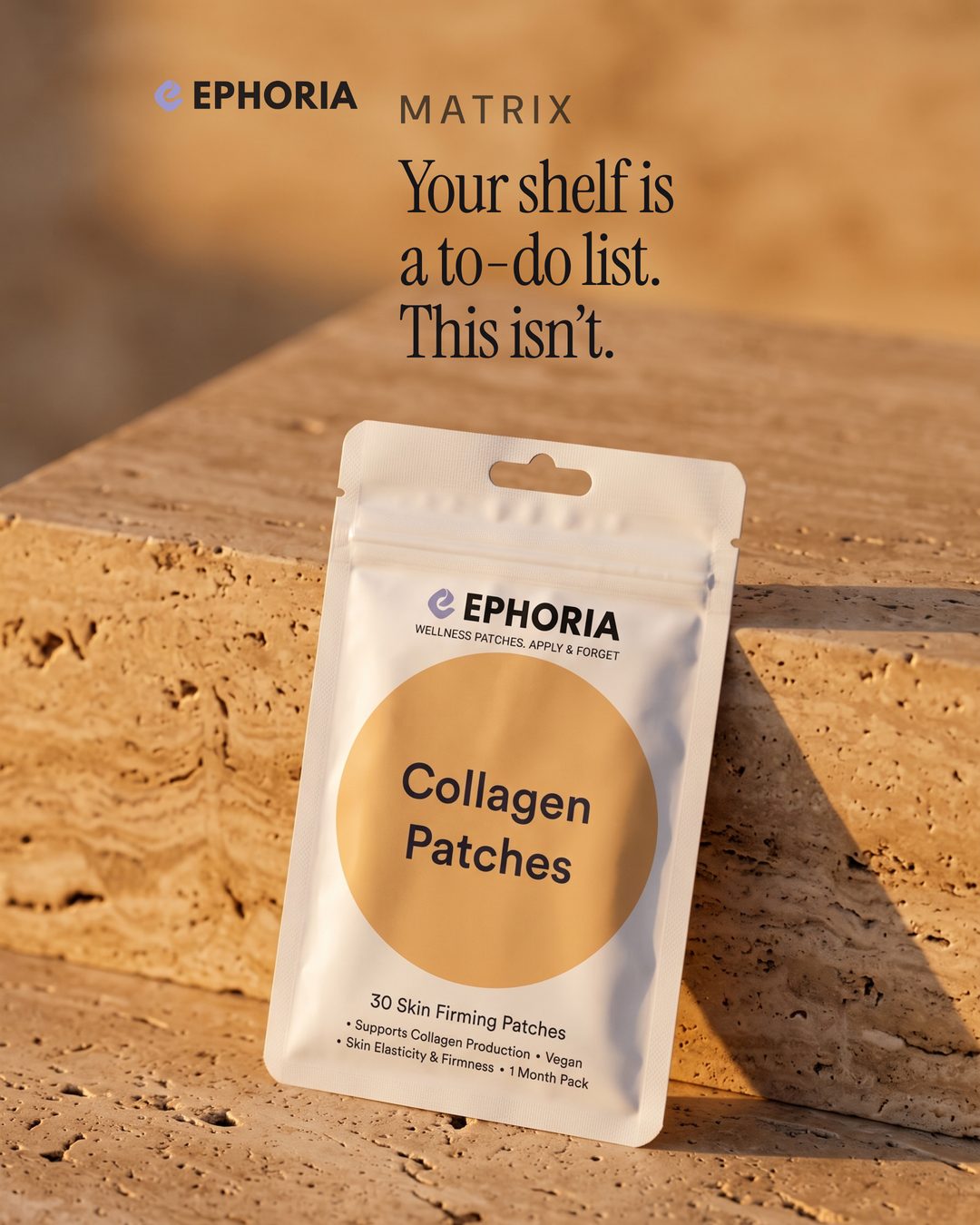
The most efficient version of this is a prop rather than a sentence. The best example in our own research corpus is a four-compartment pill organizer full of adhesive patches: it argues the entire format, against the entire category, without a single word that a reviewer could attach a rule to. Props argue without asserting, which is exactly what a claim-constrained brand needs.
Four films for a claim-constrained brand
Ours, running04Why is before-and-after imagery a rejection magnet?
Because it collects four separate prohibitions at once. Read on 1 September 2026, Meta's Health and Wellness standard does not list a before-and-after image as banned in itself. What it bans is nearly everything such an ad is built out of: exaggerated or extreme claims, promises of a specific outcome inside a stated timeframe without disclaimers, statements of inferiority about physical appearance, and close-ups on a pinched body part.
A before frame is a statement about a body, and it is almost never neutral. Pair it with second-person copy and you have also asserted a personal attribute about whoever is watching, which is the separate standard that catches more ads than the health one. The format is not illegal. It is a structure that walks straight into four rules at once, which is why swapping one word and resubmitting so rarely changes anything.
Is this a claim, or a description?
Score your own creative05A personal experience and an implied outcome are different objects
A person saying what happened to them is a description of one life. An ad engineered so the viewer concludes the same thing will happen to them is a claim, and it is a claim whether or not anybody says it out loud. Editing is where the line usually gets crossed: nobody wrote the promise, the cut made it.
Where the product sits in the user's story
The credit ladder| Dimension | How it reads to a buyer | How it reads to a reviewer |
|---|---|---|
| Credit given to the user | Yes. She did it. The product was there | A description of a person |
| One of several, dependency stated | Yes. Honest, and it tells you what else is needed | A description with a caveat |
| One of several things she does | Yes. Believable. Nobody thinks one thing did it | Usually fine |
| Additive: it helps | Partly. Vague enough to be ignored | Depends entirely on the verb and the picture |
| It simplifies the routine | Partly. A format argument, not a body argument | Safer than it sounds, if nothing else is promised |
| The single step that does it | No. Nobody believes this about anything | An outcome claim in a costume |
| It replaces the thing you use now | No. Unusable | A comparative health claim. Do not |
There is a related failure we killed one of our own films for, and it has nothing to do with regulation. A fear-shaped line ran over a shot of the product kit. Read the way a customer reads, words and picture made one combined claim, and the claim was: do not buy this. Negative words aim at the status quo, at doing it alone, at the old way. They never aim at the product experience.
06What if the compliant version of your ad is boring?
Then the ad was resting on the claim, and the claim was never the interesting part. Nothing in any of these policies touches the hook, the prop, the camera position, the cut rhythm, the sound or the first frame. Those are where a feed decision actually gets made, and every one of them is still fully available to you.
The practical move is to stop writing sentences and start finding objects. A pill organizer full of patches. A bedside drawer opened and closed. A sink full of plates. Each carries an argument the copy is not allowed to make, and each is more arresting on a phone than any headline, because a viewer processes an object before a sentence. Held across a set, those choices become a visual language of your own rather than the category's.
The pre-flight pass we run on claim-constrained creative
Tick as you go - it remembers07Where the rules differ, and what we cannot tell you
Nearly all of this is jurisdiction-dependent. What is a permitted description in one market is an unauthorized health claim in another, and the EU list-based system is stricter than most brands expect the first time they expand. Platform policy sits on top of that, applies globally, and changes on its own schedule. Running one creative everywhere is a decision, not a default.
The honest limit on our side: we have no outcome data showing that these five angles sell better than a claim-led ad would if a claim-led ad were allowed. Our doctrine is also genuinely split on which register a claim-free brand should lead with, and we publish the split rather than smoothing it. If you are also weighing whether to say the work was AI-assisted, that is a separate question we handled in do you have to disclose AI-generated ads.
The last time one of your ads was rejected, what did you change?
These percentages are an illustrative split rather than survey data. What we see in real accounts is that the first option is the most common and the least effective, because the reviewed object is the whole ad and not the one word somebody swapped.
Questions people actually ask
Open what you needWhy was my supplement ad rejected?
Most often for a sentence rather than a product. The three that trigger it are a headline that asserts something about the viewer's health, a promise of a specific outcome within a stated timeframe, and language implying the product prevents, treats or cures a condition. Meta's Health and Wellness standard and its separate Personal Attributes standard both catch supplement creative, and the second one surprises people because it is not a health policy at all.
How do I advertise supplements without making health claims?
Describe rather than promise. Show the ritual around the product, the identity of the person who uses it, the sensory moment, or what the product will not do. Give the credit for any result to the person rather than the product.
The practical test is to read your headline and ask whether it says anything about the reader's body. If it does, rewrite it about the object, the moment or a third person. The idea almost always survives.
Is before-and-after allowed on Meta for supplements?
As read on 1 September 2026, Meta's Health and Wellness advertising standard does not list before-and-after images as prohibited in themselves. It does prohibit exaggerated or extreme claims, promises of specific outcomes in a set timeframe without disclaimers, statements of inferiority about physical appearance, and close-ups pinching a body part, which is most of what a before-and-after ad is made of. Check the current page before you build one.
Does a customer testimonial count as my claim?
Treat it as though it does. In the UK, CAP Code rule 12.1 requires objective claims to be backed by evidence, and it does not care whose voice the claim is in. Beyond the rules, an edit that arranges genuine personal experiences so the viewer concludes a general outcome has made a claim structurally, whether or not anybody said it.
Does AI UGC work for supplements?
It works for the registers that do not rest on a person's credibility about a result: the ritual, the sensory moment, the object doing the arguing. It works badly for testimonial-shaped creative, where the whole mechanism is parasocial trust in somebody who turns out not to exist. The compliance rules are identical either way, because a synthetic performer stating a claim is still your claim, and the FTC's Endorsement Guides reach fabricated endorsers. Sort by the job the ad is doing, not by whether the footage was generated.
Is any of this legal advice?
No. I run an ad studio, not a law firm. Everything quoted here was read on the publisher's own page on 1 September 2026 and the links are in the sources list, but policies change, rules differ by market, and what applies to your product depends on what is in it and where you sell it. Take proper advice before you spend.
The brands that do well in this category stopped wanting to say the forbidden thing. They put the effort into an object, a gesture and a first second instead, which is where the money was always going to be decided.
Where the numbers came from
- Meta. Advertising Standards: Health and Wellness - checked 1 September 2026
- Meta. Advertising Standards: Privacy Violations and Personal Attributes - checked 1 September 2026
- Google Ads Help. Healthcare and medicines advertising policy - checked 1 September 2026
- Committees of Advertising Practice (UK). CAP Code Section 12: Medicines, medical devices, health-related products and beauty products - checked 1 September 2026
- EUR-Lex. Regulation (EC) No 1924/2006 on nutrition and health claims made on foods - checked 1 September 2026
Every figure above links to the place it was published. Numbers marked as ours are measured inside this studio and we say so where they appear. We do not print a statistic we cannot point at.
Send a link. Get one finished ad back.
One finished cut built from your own product, inside three days, free and yours to run whether or not we ever work together. It will contain no clinical figure, no invented statistic and no sentence about the viewer's body, because that is how we build for ourselves.
Replies within a day. Ad within three.